
Yahan hai recent American politicians ke Iran ko lekar bayaan aur stance (as of late August 2026, jab US-Iran war chal rahi hai):
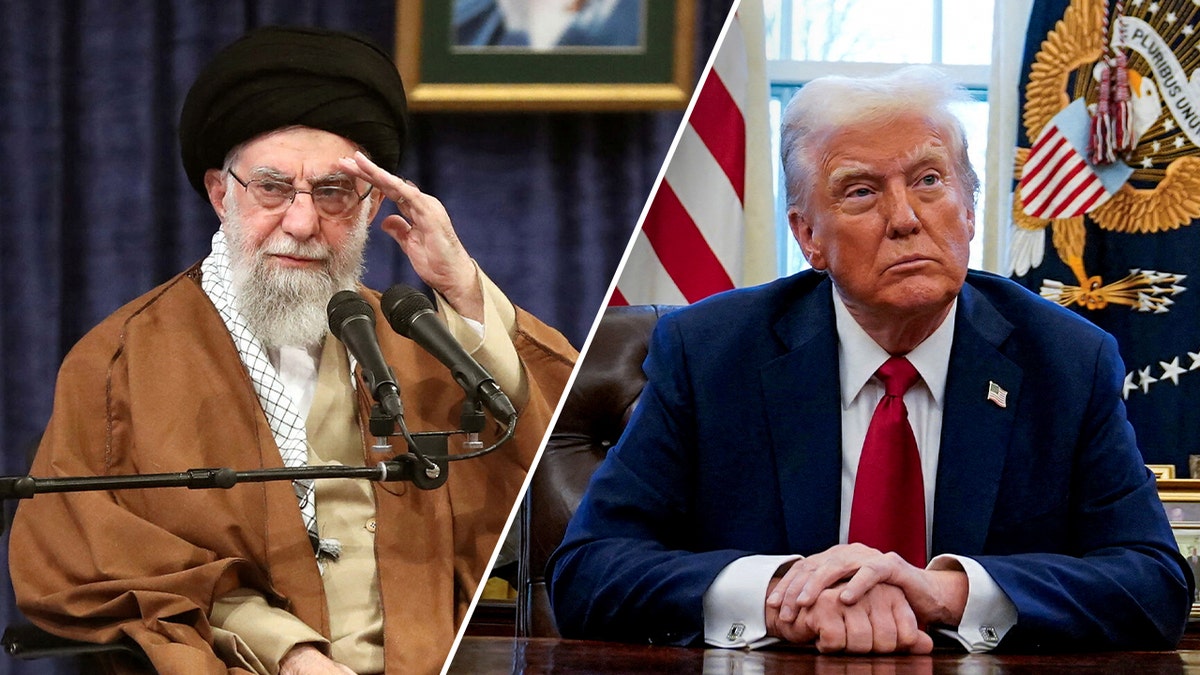
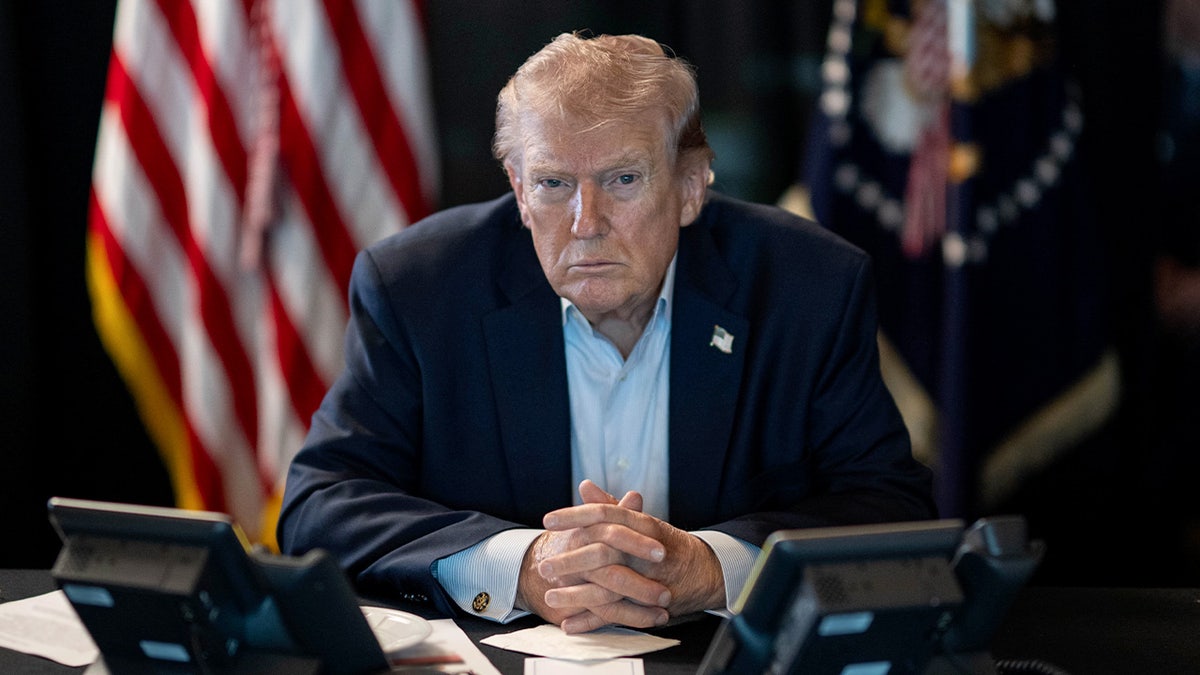
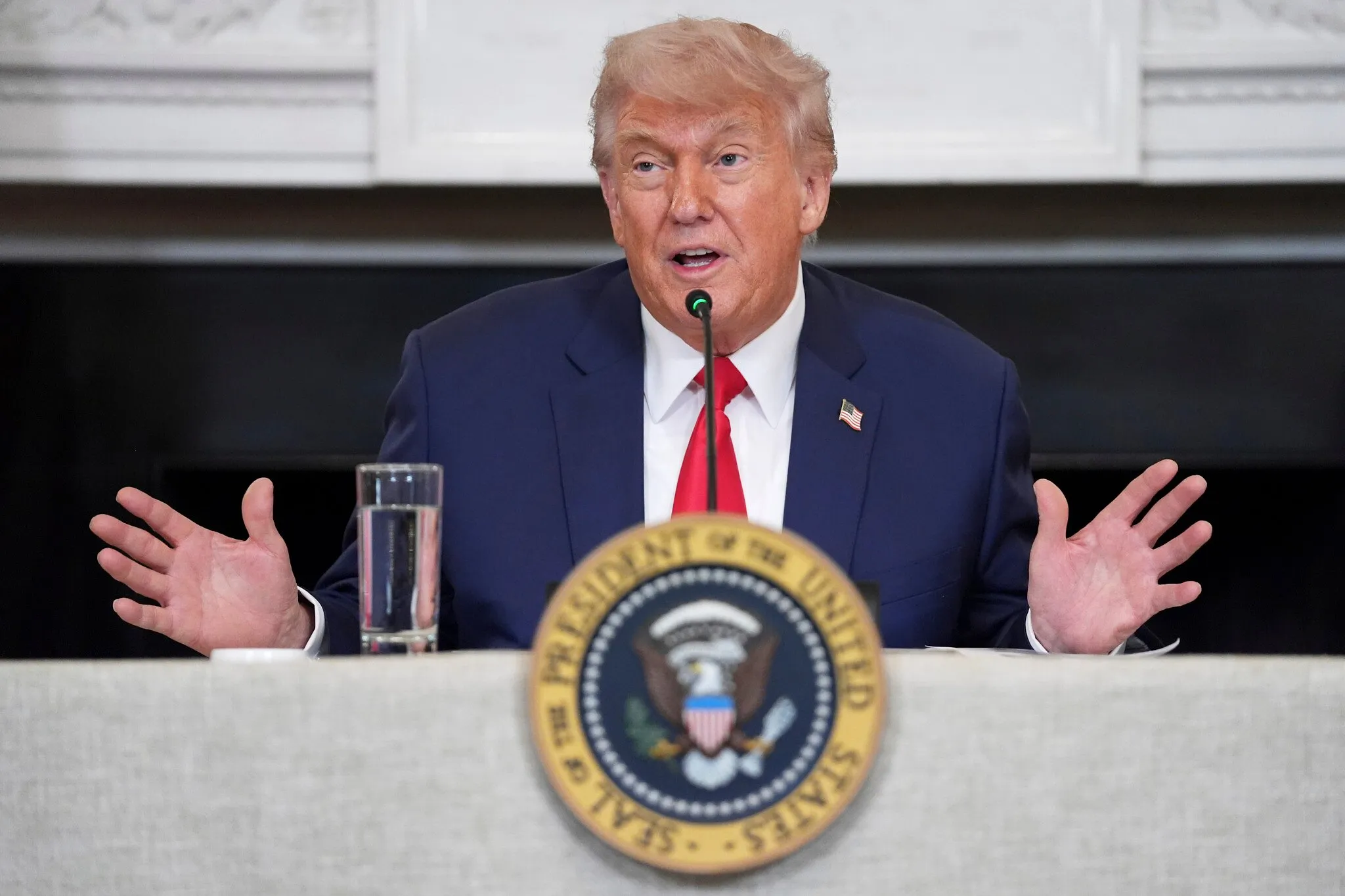
President Donald Trump Trump ne economic pressure ki baat repeatedly ki hai — usne Truth Social pe likha ki US "MOST CRUSHING ECONOMIC OPERATION EVER TAKEN AGAINST ANY COUNTRY" shuru karega. Usne Iran ke andar situation ko "humanitarian crisis of epic proportions" bataya, ye claim karte hue ki Iran apni military ko pay nahi kar raha aur protesters ko maar raha hai. Trump ne Strait of Hormuz pe bhi warning di ki naye mines lagane wale kisi bhi vessel ko destroy kar diya jayega.
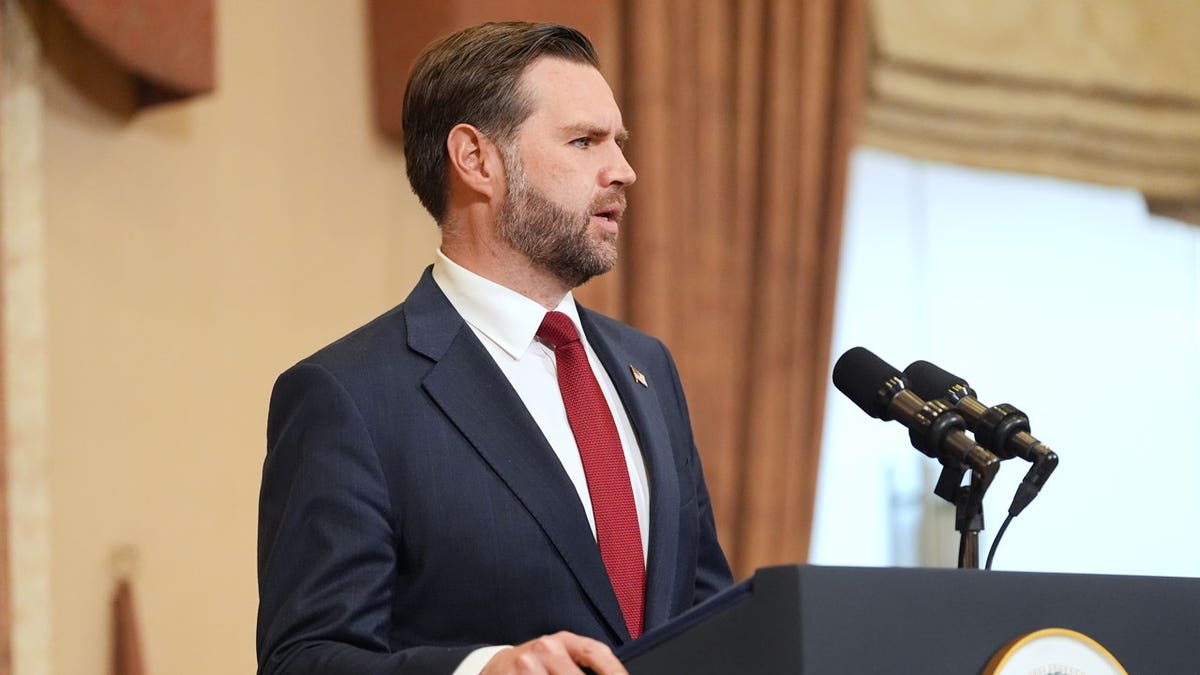
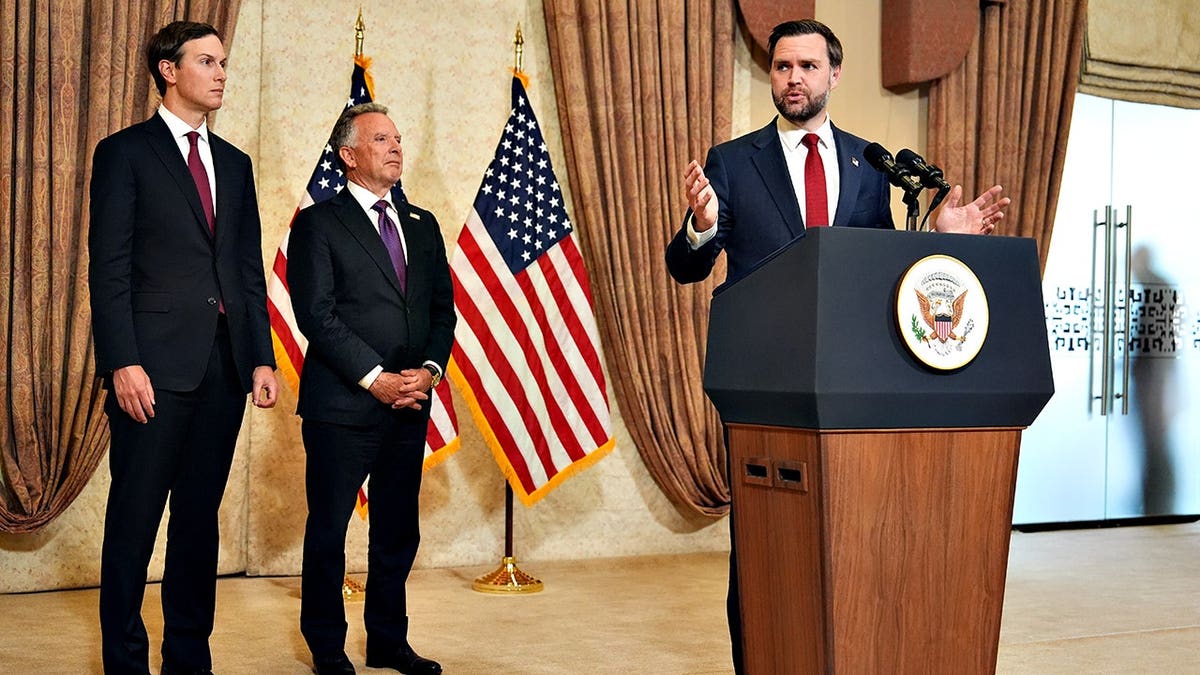
VP JD Vance Vance ne kaha ki economic pressure Iran ke against "most effective tool" hai, lekin ye admit bhi kiya ki ye ek "delicate dance" hai kyunki Americans already high gas prices face kar rahe hain. Pehle usne ye bhi kaha tha ki Iran ke saath deal negotiations "messy" honge aur time lagega, Iranians ko "extraordinarily difficult people" bataya jinka system "fractured" hai.
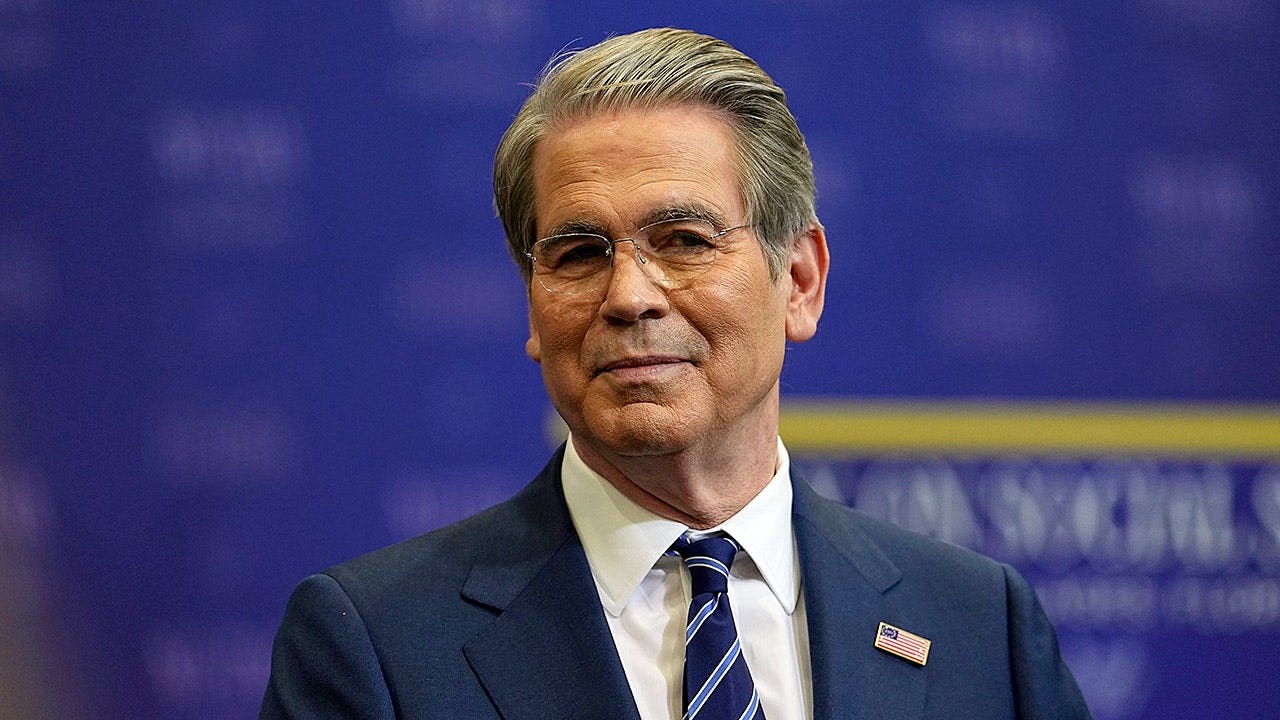
Treasury Secretary Scott Bessent Bessent ne un countries pe sanctions ki threat di jo Iran se apne economic ties nahi todte, unhe compliance ke liye "defined timeline" diya. Usne ye bhi bataya ki Iran ke oil-smuggling aur sanctions-evasion networks map kar liye gaye hain, aur ek "zero-leakage approach" ka pledge kiya taki Iranian government aur IRGC ki funding rok sake.
Republican Congress members Congresswoman Harriet Hageman (R-WY) ne Trump ke military action ko support karte hue Iran ko "jihadist government" bataya jo "hundreds of American casualties" ke liye responsible hai. Congressman John Moolenaar ne bhi Trump ke strikes ko Iran ke nuclear threat ko rokne ke liye "necessary" bataya.
Democratic lawmakers House Oversight Committee ke do Democratic Representatives (Robert Garcia aur Suhas Subramanyam) ne Pentagon ke Iran war casualty reporting ko criticize karte hue Defense Secretary ko letter likha, is baat ki investigation maang rahe hain ki military deaths ka public accounting sahi hai ya nahi.
Note: Ye US-Iran war ek highly contested, evolving political topic hai. Maine yahan facts aur statements neutrally present kiye
As of August 31, 2026, American politicians are deeply divided over Iran. The biggest split is not simply Republican vs. Democrat; it is also between politicians who favor continued military/economic pressure and those who want negotiations or Congressional limits on the war.
🇺🇸 Donald Trump — President
Trump's position is strongly pressure-first. His administration says the U.S. has significantly weakened Iran's military capability and is maintaining pressure on Tehran. The White House recently said the U.S. has control of the Strait of Hormuz and described its Iran strategy as economic isolation. (The White House)
Trump's message in substance: Iran must be prevented from threatening U.S. interests, developing a nuclear capability, or disrupting the Strait of Hormuz.
🇺🇸 Marco Rubio — Secretary of State
Rubio has taken a hard-line but negotiation-oriented position. In July he said Iran was seeking a deal but argued that Tehran's repeated behavior was the problem. (State Department)
He has also described Iran's denuclearization as the ultimate deal, indicating that Washington wants negotiations to produce major limits on Iran's nuclear capabilities. (State Department)
🇺🇸 JD Vance — Vice President
Vance represents a somewhat different Republican view. He has historically argued that the U.S. should be cautious about getting trapped in another prolonged Middle Eastern war. Recent negotiations, however, show him participating directly in attempts to reach an agreement with Iran. (CBS News)
So Vance's approach can broadly be described as "avoid an endless war, but protect core U.S. interests."
🇺🇸 Jim Risch — Republican Senator
Risch, chairman of the Senate Foreign Relations Committee, has supported strong pressure against Iran. He recently backed legislation involving sanctions against Iran and emphasized confronting Iran's threats. (Senate Foreign Relations Committee)
🇺🇸 Tim Kaine — Democratic Senator
Kaine is strongly critical of the Trump administration's war strategy. He recently called the conflict a “foolish and illegal war” and has argued that Congress should have a greater role in decisions involving military action. (Tim Kaine)
🇺🇸 Jack Reed — Democratic Senator
Reed, the top Democrat on the Senate Armed Services Committee, has also criticized the war after six months, focusing on its costs and strategic consequences. (Reed Senate)
🇺🇸 Chris Murphy — Democratic Senator
Murphy has been particularly outspoken against Trump's Iran policy. He recently accused the administration of misleading Americans about the conflict and questioned the strategic rationale behind the war. (Chris Murphy)
🇺🇸 Alex Padilla — Democratic Senator
Padilla argues that the war is making Americans less safe and more financially burdened. In his recent statement he pointed to rising costs, taxpayer spending and the deaths of U.S. service members. (Senator Alex Padilla)
🇺🇸 Lindsey Graham — Republican Senator
Graham has been one of the strongest congressional supporters of military pressure against Iran. Earlier in the conflict he argued that action was necessary to prevent Iran from becoming a nuclear threat. (Wikipedia)
📊 The political picture
Politician | General position on Iran |
Donald Trump | 🔴 Maximum pressure + military leverage + negotiations |
Marco Rubio | 🔴 Hard pressure + diplomatic deal |
JD Vance | 🟡 Avoid prolonged war + negotiate |
Lindsey Graham | 🔴 Strong military pressure |
Jim Risch | 🔴 Strong sanctions/pressure |
Tim Kaine | 🟢 Opposes current war strategy |
Jack Reed | 🟢 Critical of prolonged conflict |
Chris Murphy | 🟢 Strongly critical |
Alex Padilla | 🟢 Opposes continuation of war |
Bottom line: Washington is divided between a “maximum pressure/force” camp and a “stop or limit the war and negotiate” camp. The latest U.S. strike on Iranian launchers near the Strait of Hormuz shows why this remains a major issue for markets: further escalation could affect oil, the Strait of Hormuz, inflation, Treasury yields and the Dow Jones. (reuters.com)
If you're watching Dow Jones/US30, the most important political signals right now are Trump's Iran statements, any new U.S.–Iran negotiations, Strait of Hormuz developments, and Congressional attempts to limit the war.


aap kya sochte hai